

textured glass patterns
Understanding Pressure Gauge Thread Types Pressure gauges are essential instruments used to measure pressure in various systems across industries such as oil and gas, automotive, manufacturing, and HVAC. One of the critical aspects of these devices is the type of thread used for fitting them to pipelines or vessels. This article explores the various thread types commonly used in pressure gauges, which ensures proper installation and leak prevention. 1. NPT (National Pipe Tapered) NPT (National Pipe Tapered) threads are one of the most prevalent thread types used in pressure gauges, especially in North America. These threads feature a tapered design, which allows for a tight seal when the male and female threads are screwed together. In an NPT fitting, as the threads are engaged, the tighter they become, the more compression occurs, leading to a robust seal that minimizes the risk of leakage. NPT threads are typically measured by pipe diameter, with common sizes including ¼, ½, and ¾. 2. BSP (British Standard Pipe) BSP (British Standard Pipe) threads are widely used in the UK and other countries that follow British standards. BSP threads come in two forms BSPT (tapered) and BSPP (parallel). BSPT threads also employ a tapered design similar to NPT, allowing for a tight seal during installation. On the other hand, BSPP threads are used with a sealing washer or O-ring to prevent leaks, making them suitable for hydraulic applications and where frequent disassembly is required. The specifications for BSP threads are based on a nominal diameter system, and common sizes include ½, ¾, and 1. 3. Metric Threads pressure gauge thread types Metric threads are increasingly prevalent in Europe and Asia due to their standardized measurements. They are categorized as either coarse or fine threads, with common sizes expressed in millimeters (e.g., M10, M12). Metric threads can be used for pressure gauges, but they typically require additional components like sealing washers or O-rings to achieve an effective seal. The simplicity of the metric system allows for easier calculations in engineering designs, making it a preferred choice among many manufacturers. 4. NPTF (National Pipe Tapered Fuel) NPTF threads are an evolution of the NPT thread design, specifically intended to provide a leak-free connection without the need for additional sealants. The key difference lies in the threads being machined to a tighter tolerance, which, in combination with the tapered profile, enables a metal-to-metal seal. This design is especially beneficial in applications involving flammable or hazardous fluids, as it reduces the risk of leaks effectively. 5. Additional Considerations When selecting the appropriate thread type for pressure gauges, several factors come into play. First, ensure compatibility with existing piping or systems to avoid mismatches. Additionally, assessing the operating pressure and temperature can influence the choice of thread type, as certain materials and designs perform better under specific conditions. Sealing compounds such as Teflon tape and pipe sealants can also be considered to enhance leak prevention. Conclusion Understanding the various thread types for pressure gauges is crucial for ensuring safe and reliable operation in industrial applications. Whether opting for NPT, BSP, metric, or NPTF threads, choosing the right fitment not only prevents leaks but also facilitates easy installation and maintenance. As industries evolve, staying informed about these thread types enables engineers and technicians to make informed decisions in their pressure measurement solutions.
about
textured glass patterns
Understanding the 3% to 4% Check Valve An Overview Check valves play a critical role in various piping systems, ensuring one-way flow and preventing backflow that could compromise system integrity and efficiency. Among the myriad types of check valves available, the 3% to 4% check valve stands out due to its specific operational characteristics and applications. In this article, we will explore what a 3% to 4% check valve is, its uses, benefits, and factors to consider when selecting one for your system. What is a Check Valve? A check valve, also known as a non-return valve or one-way valve, is designed to allow fluid to flow through it in only one direction. The basic function of a check valve is to prevent backflow that could lead to contamination, damage, or inefficiencies within a system. They are commonly used in various industries, including water and wastewater management, oil and gas, and HVAC systems. The 3% to 4% Check Valve Specification The term “3% to 4% check valve” typically refers to a specific range of pressure drop, backpressure, or operational efficiency that these valves can maintain. A pressure drop of 3% to 4% indicates the resistance the valve imposes on the fluid when operational. In practical terms, this means that the check valve is designed to allow a specific volume of fluid to flow while maintaining minimal resistance, thus enhancing overall system efficiency. Applications 1. Water and Wastewater Treatment In systems where backflow can lead to contamination, the 3% to 4% check valve ensures that wastewater and treated water flow in the correct direction. This is crucial for maintaining water quality standards. 2. Oil and Gas In the oil and gas industry, these check valves protect pipelines and equipment from backpressure resulting from pressure changes. Preventing backflow is essential for both safety and efficiency. 3. HVAC Systems In heating, ventilation, and air conditioning systems, these valves are used to ensure that the flow of liquid refrigerants moves efficiently in the intended direction, preventing reverse flow that could lead to system damage. 3 4 check valve 4. Pump Systems Check valves in pump applications prevent the liquid from flowing back into the pump when it is turned off, ensuring that the system maintains pressure and reduces the wear on the pump itself. Benefits - Prevention of Backflow The primary function of the check valve is to prevent backflow, which can cause a variety of issues, including system contamination and equipment damage. - Efficiency With a pressure drop of only 3% to 4%, these valves allow for efficient fluid flow, minimizing energy loss and improving overall system performance. - Versatility The 3% to 4% check valve can be used in various applications across multiple industries, making it a versatile option for engineers. - Durability Made from sturdy materials, these valves can withstand significant pressure and are often designed for longevity, making them a reliable choice for demanding applications. Considerations for Selection When selecting a 3% to 4% check valve for your system, it is crucial to consider factors such as the type of fluid being transported, the pressure and temperature conditions, and the installation environment. Additionally, ensure compatibility with system requirements, including size, material, and the specific flow rate needed. Conclusion In summary, the 3% to 4% check valve is an essential component in various fluid handling systems, offering the benefits of backflow prevention and efficient flow management. With applications spanning multiple industries, understanding the operational characteristics of these check valves is key to ensuring smooth and safe operations. Whether in water treatment, oil and gas, HVAC, or pump systems, the 3% to 4% check valve remains a reliable choice for engineers and facility managers alike.
-

High quality industrial productsagement

High quality industrial products
View Details -

Meet the diverse needs of customers

Meet the diverse needs of customers
View Details -

Strict quality control

Strict quality control
View Details -

Top raw materials

Top raw materials
View Details -

Trusted supplier

Trusted supplier
View Details
Our application

news and information
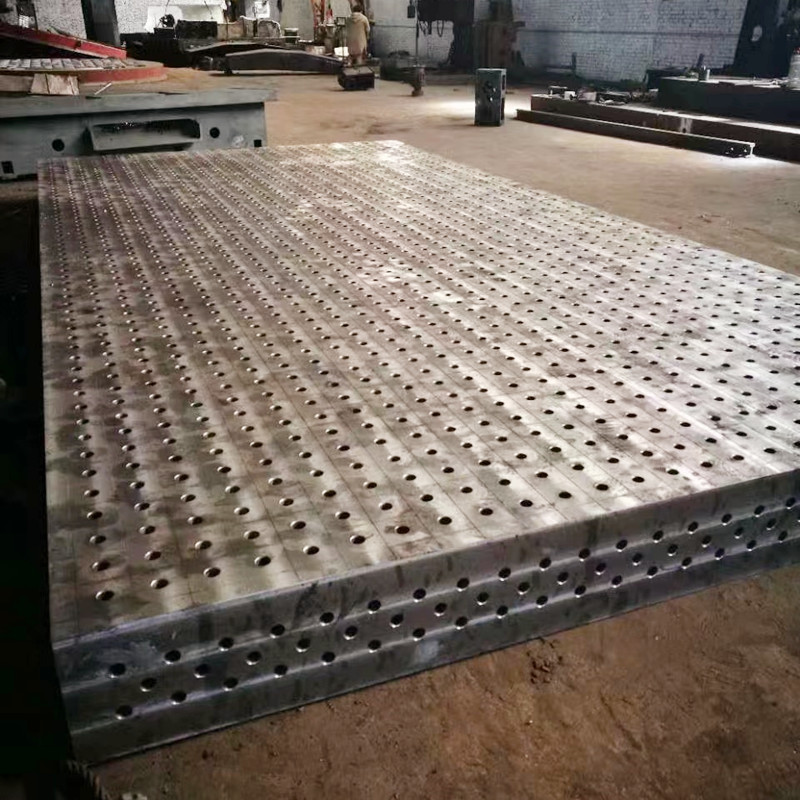
Versatile Metal Angle Ruler for Precision Measurements and Projects
The Versatility of the Metal Angle Ruler in Precision Measurement In the world of craftsmanship, eng

Valves in Water Treatment Plants
In water treatment plants, the seamless operation and optimal performance rely heavily on the functi
Versatile Ground Anchors for Enhanced Stability and Adaptability in Various Applications
The Versatility and Importance of Adjustable Ground Anchors Ground anchors have long been an essenti
 English